
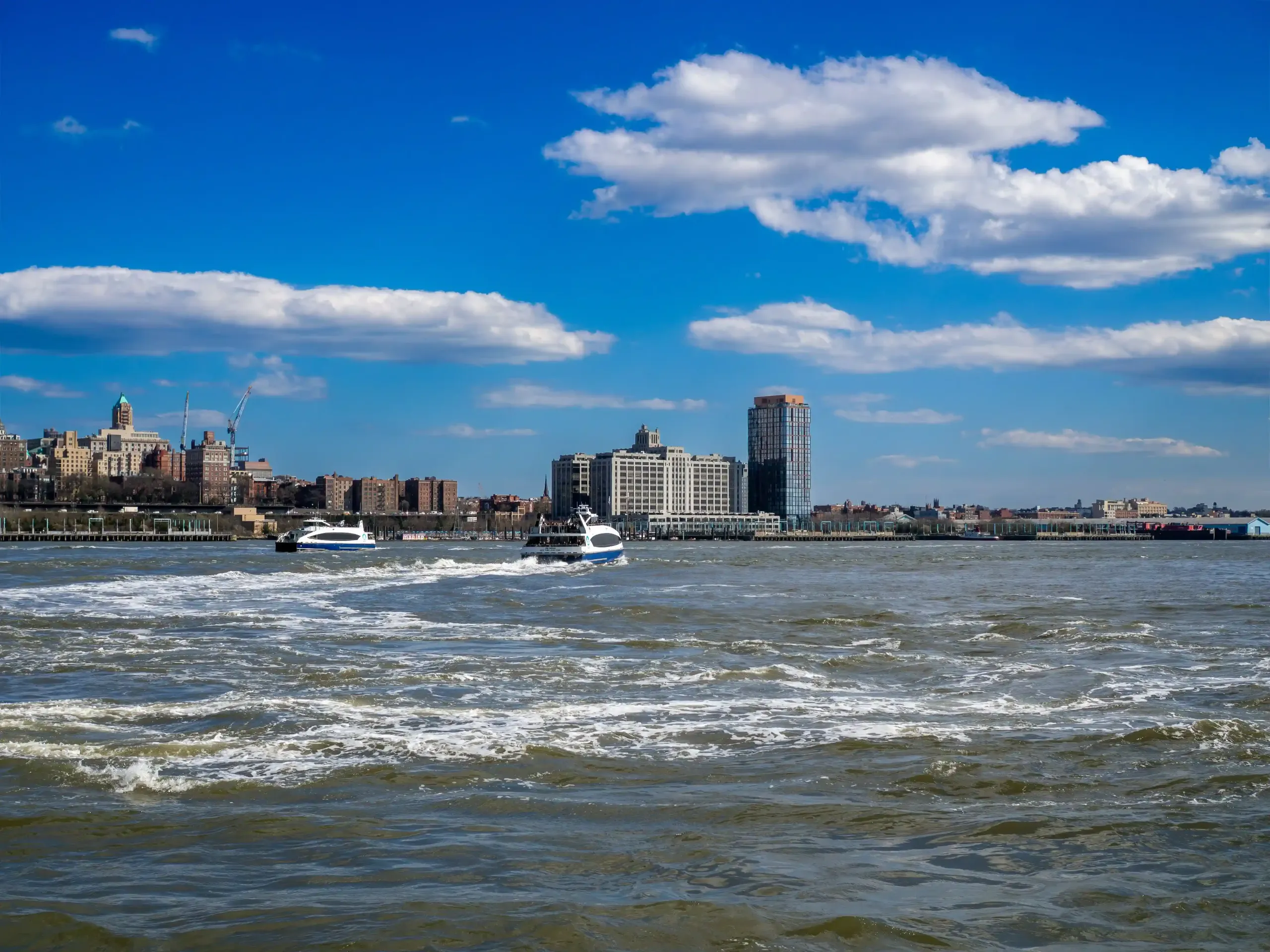
If you live anywhere near New York City and haven’t explored the Hudson Valley yet, you’re missing one of the most rewarding short trips in the Northeast. Rolling hills, riverside towns, world-class art museums, and farm-to-table restaurants sit just an hour or two from Manhattan — no long flights, no complicated planning, just a scenic drive or train ride away.
This guide covers everything you need to plan your trip: where to go, how to get there, the best towns to base yourself in, and a sample itinerary to help you make the most of your time.
Who Is This Trip Best For?
The region works well for almost any kind of traveler, but it particularly suits a few types of trips. Couples looking for a relaxed weekend away will find plenty of boutique hotels, wineries, and riverside restaurants to build a low-key itinerary around. Hikers and outdoor lovers can spend an entire trip moving between trailheads without ever needing to plan around a museum schedule.
Families tend to gravitate toward towns like New Paltz and Beacon, where outdoor space, easy walking, and casual dining make it simple to keep everyone entertained without a rigid plan.
Solo travelers and remote workers have also increasingly used the region as a short reset from city life, thanks to reliable train access and a growing number of cafés suited to working for an hour or two before heading out to explore.
Where Is the Hudson Valley?
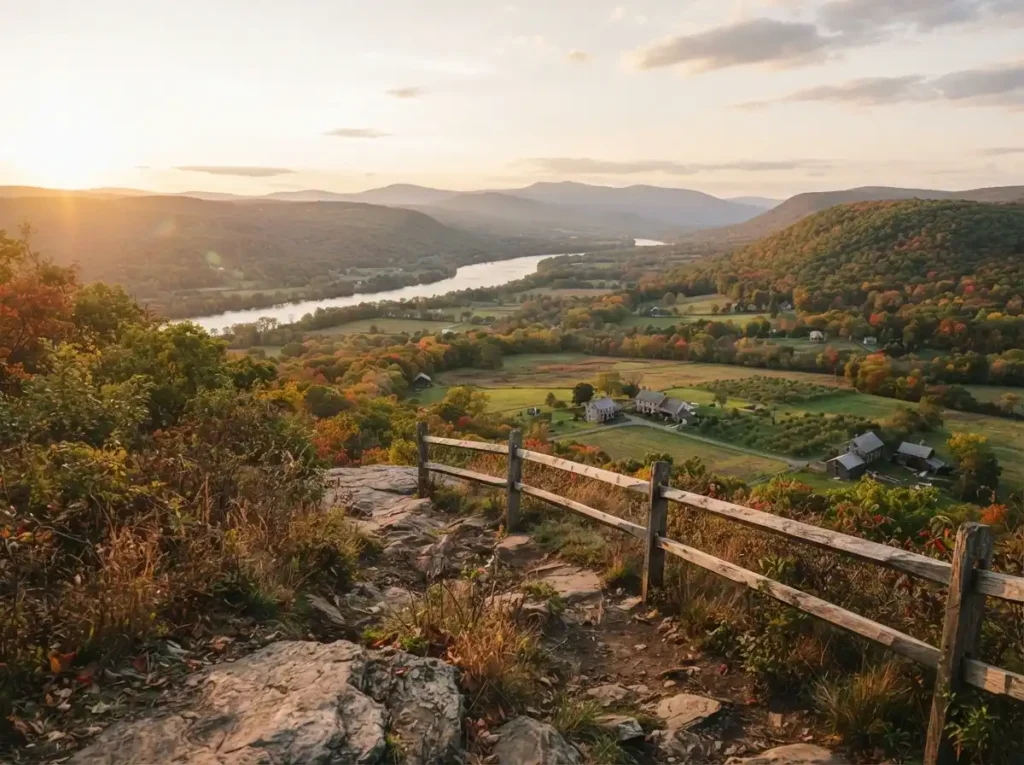
The Hudson Valley stretches roughly 150 miles along the Hudson River, starting just north of New York City and reaching up toward Albany. It spans ten counties on both sides of the river, split into three general regions: the Lower Valley (closest to NYC, including Tarrytown and Sleepy Hollow); the Mid-Hudson Valley (Beacon, Cold Spring, Poughkeepsie, New Paltz), and the Upper Valley (Hudson, Catskill, Kingston).
Because the region is so spread out, it’s worth deciding early which section you want to focus on. Trying to cover the entire valley in one weekend usually means a lot of driving and not enough time actually enjoying each stop.
How to Get to the Hudson Valley from NYC
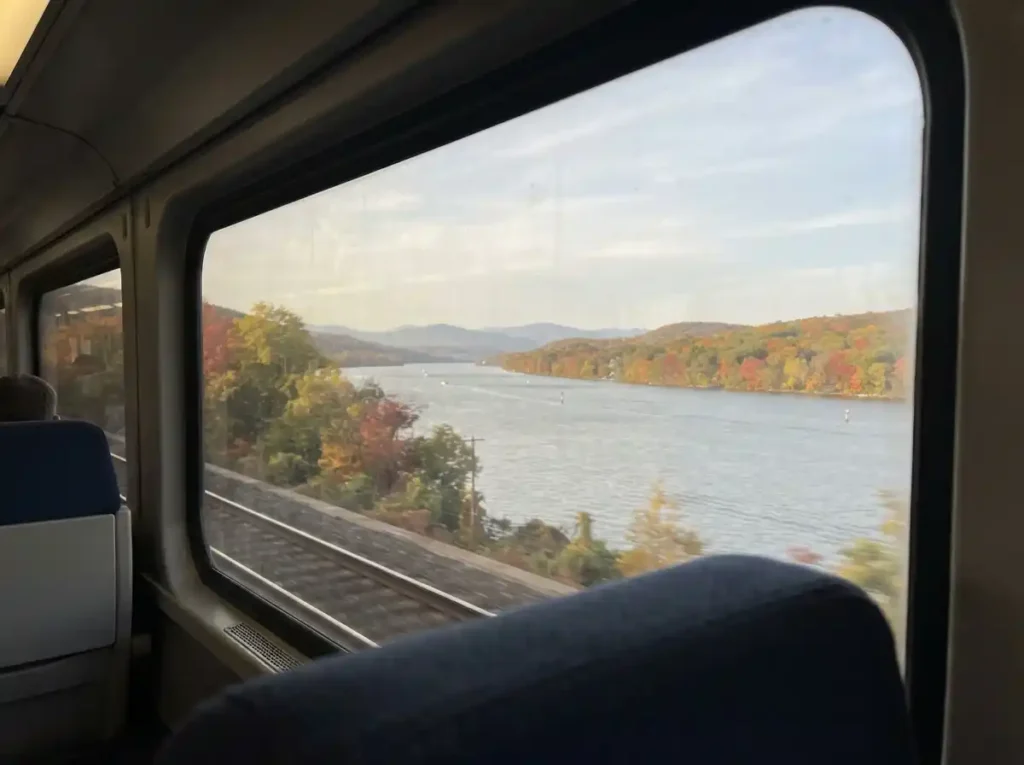
There are three practical ways to reach the region:
- By train: The Metro-North Hudson Line runs from Grand Central Terminal and hugs the river the whole way, offering some of the prettiest scenery of any commuter train in the country. Towns like Beacon and Cold Spring are around an hour away, while Hudson is closer to two and a half hours.
- By car: Driving gives you the most flexibility, especially if you plan to visit wineries, hiking trailheads, or smaller towns that aren’t near a train station. Most of the Lower and Mid-Hudson Valley is within a 1–2 hour drive from the city.
- By bus: A few regional bus lines connect NYC to towns like New Paltz and Kingston, though they run less frequently than the train.
If you don’t plan to rent a car, choose a home base within walking distance of a Metro-North station — Beacon and Cold Spring both work well for this.
Best Time to Visit the Hudson Valley
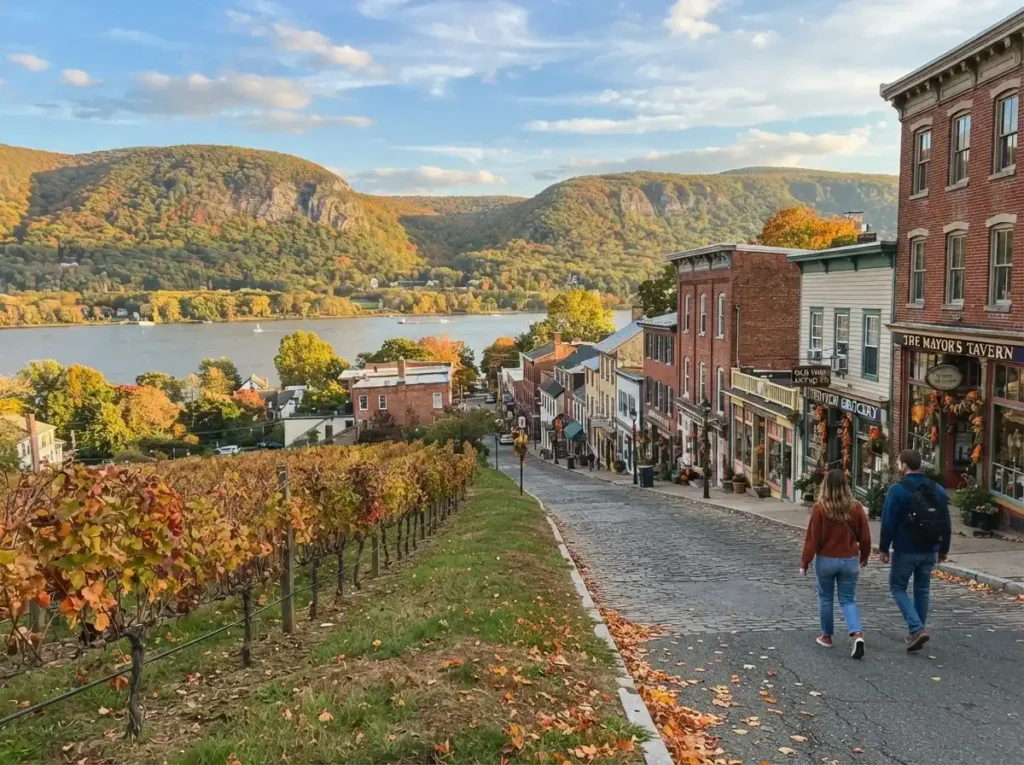
This is a genuine four-season destination, and each season offers something different:
- Fall (late September–October): The most popular time to visit, thanks to dramatic foliage along the river and in the surrounding hills. Expect higher prices and busier towns on weekends.
- Summer (June–August): Ideal for hiking, kayaking, and outdoor festivals, with warm weather and long daylight hours.
- Spring (April–May): Quieter and often overlooked, with blooming orchards and mild temperatures — a good pick if you want to avoid crowds.
- Winter (December–February): Cozy, low-key, and great for spa stays, wine tastings, and holiday markets, though some outdoor attractions close for the season.
If your schedule is flexible, visiting just before or after peak fall weekends gives you similar scenery with fewer crowds and better hotel availability.
6 Best Towns in the Hudson Valley to Visit
1-Beacon
Beacon has become one of the most talked-about small towns in the region, largely thanks to Dia:Beacon, a massive contemporary art museum housed in a former factory. Main Street is lined with independent shops, coffee roasters, and restaurants, and the town is an easy hour-long train ride from Grand Central — making it just as suited to a day trip as an overnight stay.
2-Cold Spring
Just a short ride south of Beacon, Cold Spring is smaller and quieter, with a classic small-town Main Street leading down to the river. It’s also the gateway to some of the best hiking in the region, including trails with sweeping views of the Hudson River.
3-Hudson
The town of Hudson sits further north and has a distinct identity built around antique shops, design-forward boutiques, and a strong restaurant scene. It’s the largest town in the Upper Hudson Valley and makes a great home base if you’re planning to stay two or more nights.
4-Catskill
A short drive from Hudson, the town of Catskill offers a similar small-town charm with fewer crowds. Its compact Main Street is easy to explore on foot, with nearby nature preserves and breweries rounding out a relaxed day trip.
5-New Paltz
A short drive from Hudson, the town of Catskill offers a similar small-town charm with fewer crowds. Its compact Main Street is easy to explore on foot, with nearby nature preserves and breweries rounding out a relaxed day trip.
6-Kingston
Popular with hikers and outdoor enthusiasts, New Paltz sits near the Shawangunk Ridge and Minnewaska State Park Preserve. It also has a lively college-town energy, with breweries and casual restaurants near SUNY New Paltz.
A Quick Look at Hudson Valley's History
Everyone treats this place like it’s just a weekend escape from the city. Fair enough, it is. But there’s history here most people drive right past. In the 1800s a bunch of painters showed up—the Hudson River School, they’d later be called—and they couldn’t get over the cliffs, the fog rolling off the water, the light hitting the hills a certain way in the afternoon. Their paintings weren’t just pretty pictures either. They basically taught Americans how to look at wilderness and what to feel when they saw it. That idea of “untouched nature” as something worth protecting? A lot of that traces back to what these guys put on canvas here.
Go back further and you hit the Revolutionary War. This wasn’t a side note in that conflict—forts changed hands here; real fighting happened on this ground. You can still visit a lot of it. Old estates, battlefields, and stone walls that have been standing since before the country existed. Worth stopping for, honestly, even if you came up here just for the foliage.
This layered history is part of what makes the region feel different from a typical countryside getaway. Alongside hiking trails and wineries, you’ll find centuries-old estates, preserved Dutch colonial architecture, and small museums dedicated to the area’s artistic and industrial past. It’s a destination where a morning hike can easily be followed by an afternoon spent exploring 200-year-old architecture.
Best Shopping and Antiquing Stores
Antiquing is practically a local tradition here, and several towns have built their reputations around it. Warren Street in Hudson is widely considered the best stretch for antique hunting, with dealers specializing in everything from mid-century furniture to vintage jewelry. Beacon and Kingston also have a growing number of independent boutiques, vintage shops, and design stores worth browsing, even if you’re not looking to buy.
If you enjoy slower-paced travel, setting aside a few hours purely for browsing shops can be just as memorable as visiting a formal attraction — many of these stores are run by longtime locals happy to share recommendations for the rest of your trip.
Top Things to Do in the Hudson Valley
- Dia:Beacon — One of the largest contemporary art museums in the country, set inside a converted Nabisco box factory along the river.
- Storm King Art Center — A 500-acre outdoor sculpture park, ideal for a half-day visit combining art and nature elites. Ut elit tell us, luctus nec ullamcorper mattis, pulvinar dapibus leo.
- Olana State Historic Site — The former home and estate of Hudson River School painter Frederic Church, with Persian-inspired architecture and panoramic valley views.
-
Walkway Over the Hudson — The world’s longest elevated pedestrian bridge, offering free, sweeping views of the river below.
-
Wineries and cideries — The region has a growing number of vineyards and cider houses, particularly around New Paltz and the mid-Hudson wine trail, making it easy to build an afternoon around tastings.
Outdoor Adventures and Hiking in the Hudson Valley
The region’s hiking trails are a major draw, ranging from easy river walks to challenging climbs:
- Breakneck Ridge — One of the most popular (and steepest) hikes near NYC, with rewarding views of the river from the summit. Not recommended for beginners.
- Mount Beacon — A moderate hike leading to the remains of a historic fire tower, with panoramic valley views.
- Minnewaska State Park Preserve — Known for its sky-blue lakes and family-friendly trails, this is a good option for hikers of all levels. Arrive early on weekends, as parking fills up quickly.
bus leo.
Pack water, wear proper footwear, and check trail conditions before heading out, especially in the fall and winter months.
Where to Eat and Drink
The region has built a strong reputation for farm-to-table dining, thanks in part to its proximity to the Culinary Institute of America in Hyde Park. Expect seasonal menus built around local produce, craft breweries in nearly every town, and a growing number of natural wine bars.
For a casual lunch, look for cafés along the main streets of Beacon, Cold Spring, or Hudson — most towns have at least one standout bakery or coffee roaster worth stopping at. For dinner, reservations are recommended on weekends, particularly during peak fall foliage season when towns fill up quickly.
Farmers markets are another highlight, running from spring through fall in most towns and offering a good sense of what local farms are producing that week. If you’re visiting between June and October, timing a stop at one of these markets is a simple way to eat well without needing a reservation. Craft breweries have also multiplied across the region in recent years, and many towns now have at least one taproom worth a stop, often with outdoor seating overlooking a river or orchard.
Where to Stay
Accommodation options range from boutique hotels to countryside bed-and-breakfasts:
- Boutique hotels — Towns like Hudson and Beacon have stylish, design-focused hotels, often housed in renovated historic buildings.
- Bed and breakfasts—A classic way to experience the region, with hosts who often double as excellent sources of local recommendations.
- Cabins and countryside rentals — Ideal if you’re traveling with a group or want more privacy, particularly around New Paltz and the Catskills border.
Booking two to three months ahead is a good idea for fall weekends, when availability drops quickly.
How Many Days Do You Need?
- One day: Enough time to explore a single town like Beacon or Cold Spring, including one major attraction and a meal.
- A weekend (2–3 days): The ideal amount of time to explore two or three nearby towns, fit in a hike, and enjoy a couple of proper meals without rushing.
- 4–5 days: Recommended if you want to use one town as a home base and take day trips across the wider valley, including wineries and multiple hiking trails.
On average, budget travelers can expect to spend $150–$250 per day per person (including lodging, food, and activities), while a more upscale weekend with boutique hotels and tasting menus can run considerably higher.
Practical Tips for Visiting the Hudson Valley
- Reserve restaurant tables in advance for weekend trips, especially during fall foliage season
- If relying on public transit, plan your itinerary around train schedules, which can be limited outside peak hours
- Bring layers — weather can shift quickly, especially near the river and on higher trails
- Consider a weekday visit if you want to avoid crowds and get better hotel rates
- Fill up on gas or charge your car before heading into smaller towns, as stations can be spread out once you’re off the main highways
- Download offline maps if you’re heading into hiking areas, since cell service is unreliable in parts of the valley
- If traveling during fall foliage season, plan to arrive at parks and trailheads early, as popular spots can reach capacity by mid-morning on weekends
This region proves that a memorable getaway doesn’t have to involve a long flight or an elaborate itinerary. Between its riverside towns, respected art museums, and easy access from New York City, it’s one of the most well-rounded short-trip destinations in the Northeast — whether you have a single day to spare or a full long weekend to explore.
This region proves that a memorable getaway doesn’t have to involve a long flight or an elaborate itinerary. Between its riverside towns, respected art museums, and easy access from New York City, it’s one of the most well-rounded short-trip destinations in the Northeast — whether you have a single day to spare or a full long weekend to explore.